
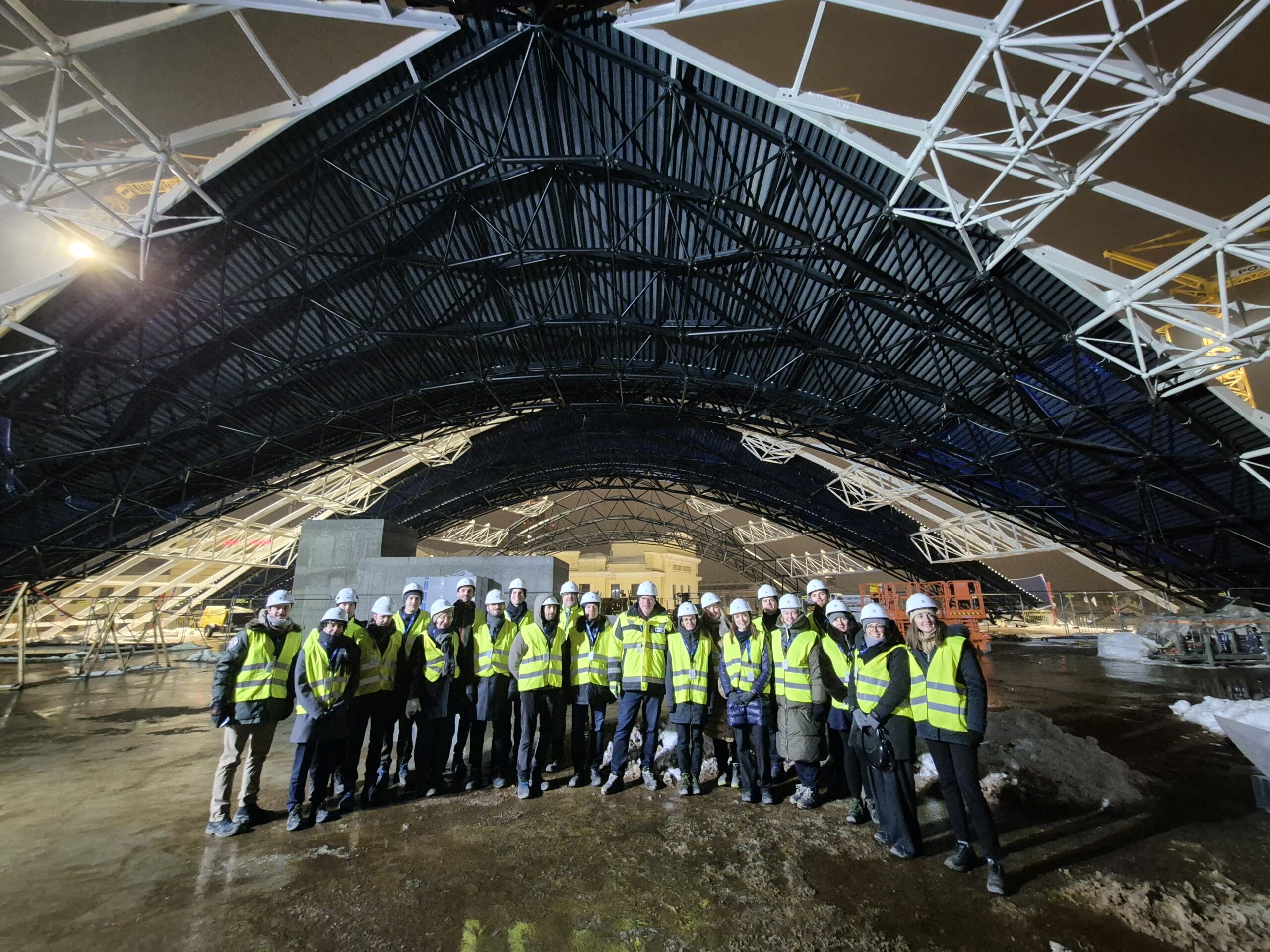
From 20 to 22 January, European Commission consultations with public administration authorities and representatives of the non-governmental sector took place in Riga within the framework of the European Semester process.
The objective of these consultations is to enable colleagues from various Directorates-General to gain a better understanding of current developments in Latvia and to identify issues and topics that could be included in the European Commission’s 2026 Country Report and the country-specific recommendations for Latvia, which the Commission plans to publish in June and which will also be relevant in the context of further EU funds programming. During this visit, more than 20 European Commission representatives were in Latvia, the majority of whom were from the Reform and Investment Task Force (SG.REFORM) and the Directorate-General for Economic and Financial Affairs (ECFIN), which is responsible for the implementation of the Recovery and Resilience Facility in Latvia.
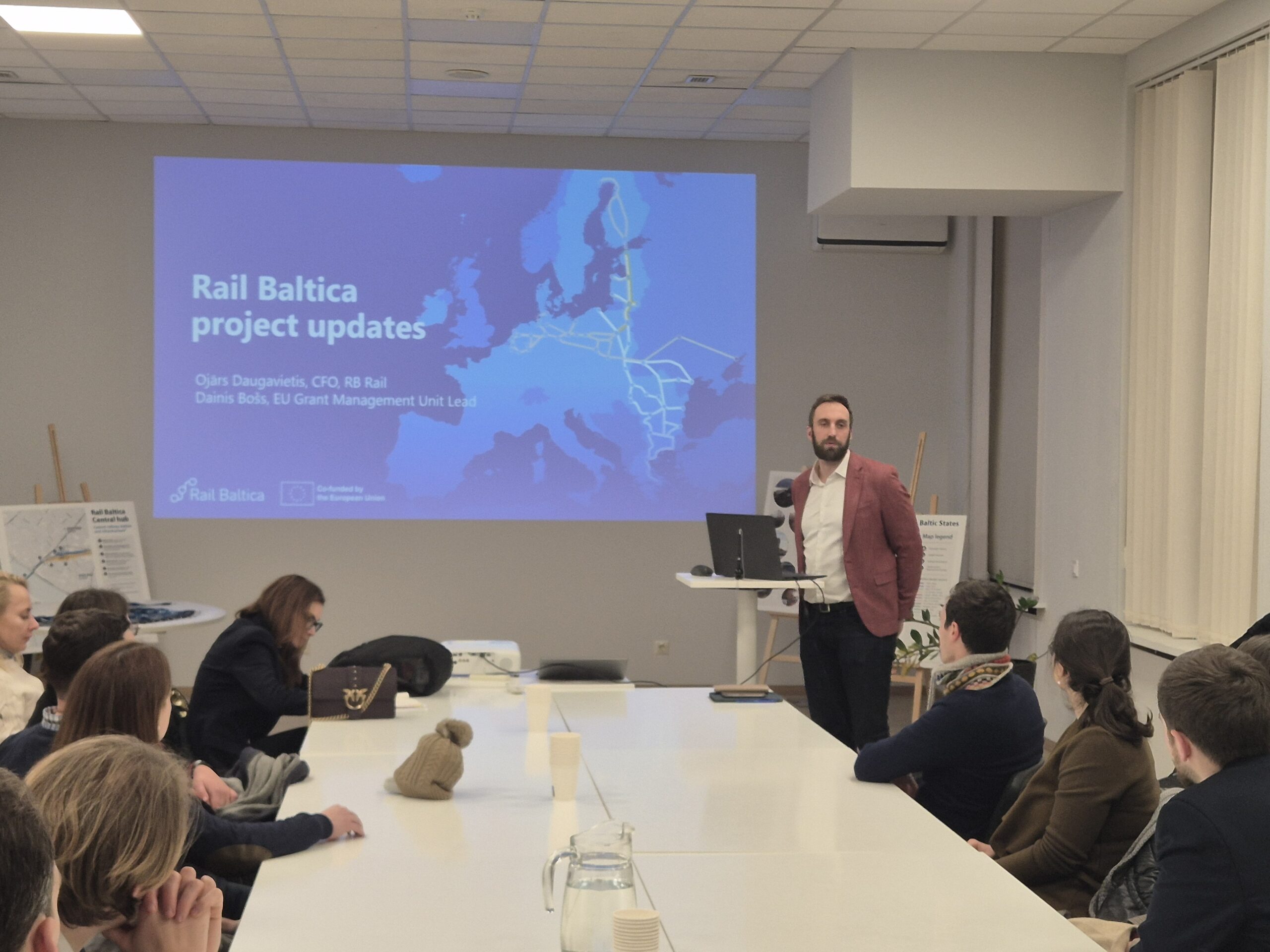
RB Rail AS’s CFO, Ojārs Daugavietis, and the Head of the EU Funds Department, Dainis Bošs, presented an overview of the Rail Baltica project, highlighting its economic benefits, contribution to military mobility, and strategic role in the European transport network. The project is integrated into the North Sea–Baltic TEN-T Core Network Corridor and is also part of the Baltic Sea–Black Sea–Aegean Sea Corridor. The specialists explained that the project is being implemented in phases, with the current primary focus on establishing a functional cross-border corridor connecting Estonia, Latvia, and Lithuania with Poland, while also taking into account the project’s military mobility dimension. Addressing the topic of Rail Baltica financing, European Commission representatives were reminded that the project was initially funded through the Connecting Europe Facility (CEF), while in recent years additional funding sources have been attracted, including Military Mobility, Cohesion Policy, and the Recovery and Resilience Facility. “Stable EU funding in the next Multiannual Financial Framework is critically important, and continued support through the Connecting Europe Facility (CEF) is essential to achieve Rail Baltica’s strategic TEN-T and security objectives,” emphasized O. Daugavietis.