
The Baltic passenger train operators Elron, Vivi, and LTG Link announced a joint procurement for Rail Baltica regional trains. In total, up to 20 regional trains compatible with the European standard gauge (1435 mm) are planned to be procured, with a maximum speed of up to 200 km/h.
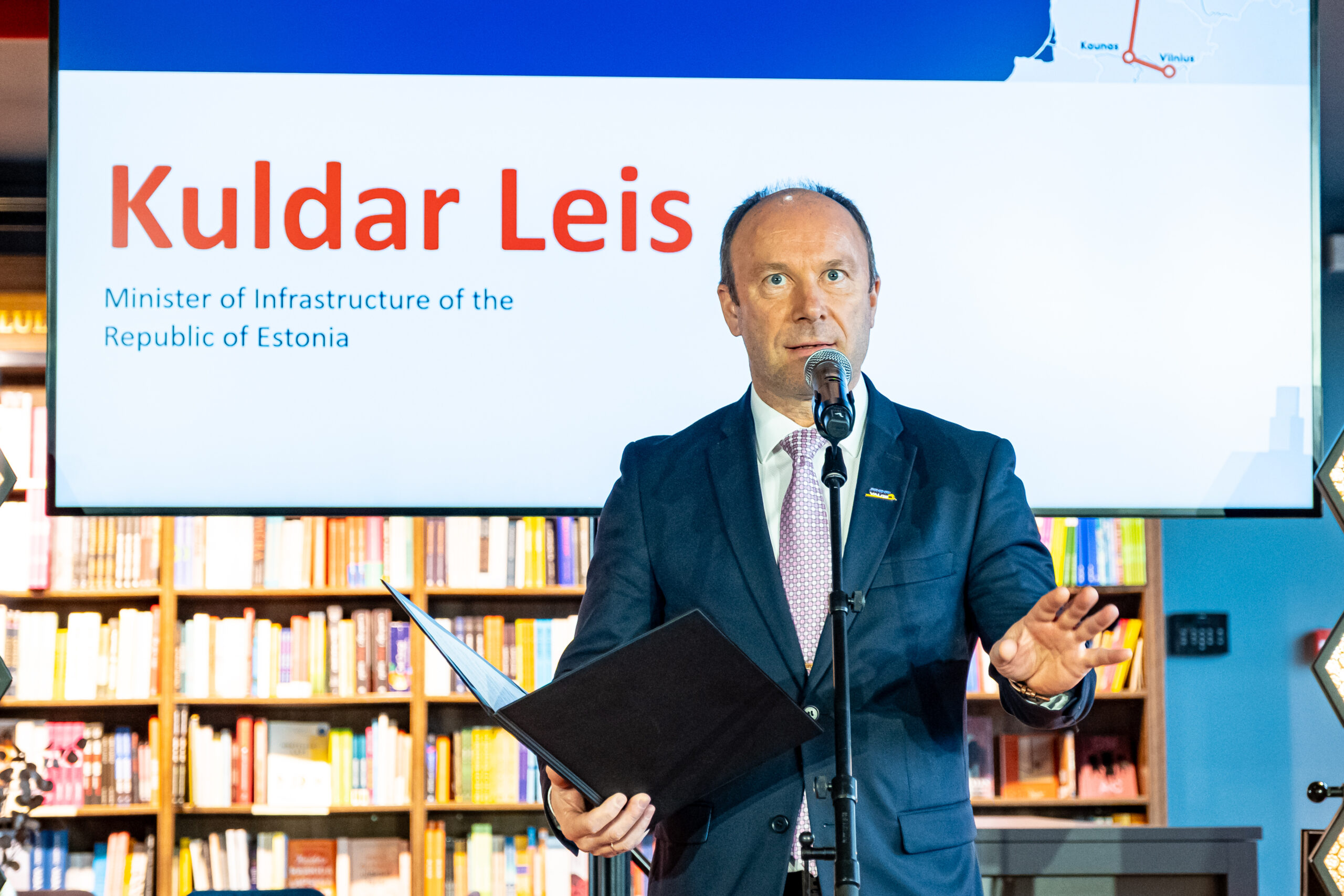
“Rail Baltica is an important project for the Baltic States because it connects us more strongly both with each other and with the rest of Europe. Today’s joint procurement confirms that Estonia, Latvia, and Lithuania are moving this work forward together with very practical steps,” said Estonian Minister of Infrastructure Kuldar Leis. “In addition to better connectivity, Rail Baltica creates more opportunities for Estonian companies and strengthens security along the entire eastern border of Europe. That is precisely why the project also enjoys strong European support.”
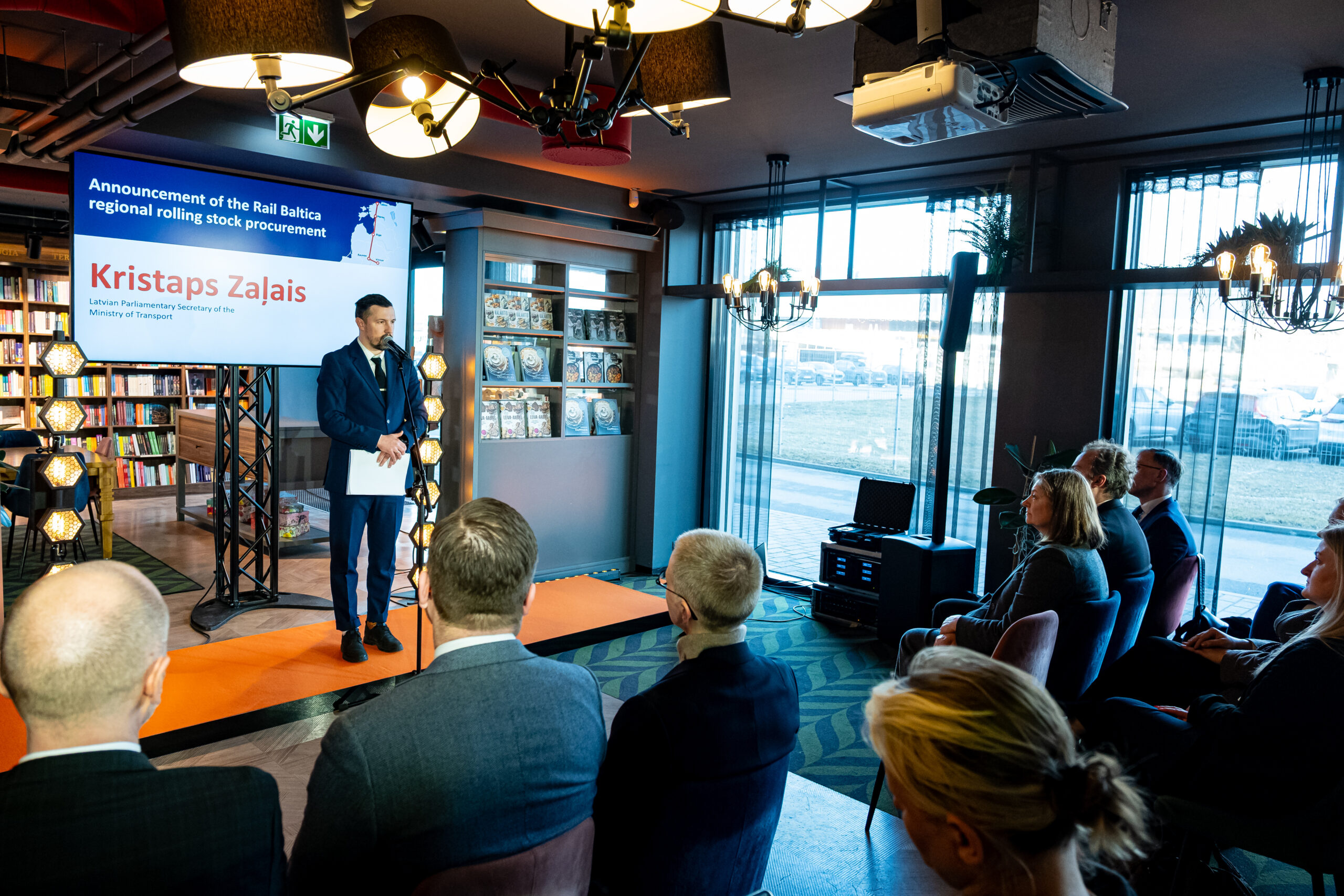
“In close cooperation between Estonia, Latvia, and Lithuania, we are laying the foundations of a modern, fast, and united Baltic rail network — a network that will strengthen our economies, bring our societies closer, and serve generations to come. This is not only an investment in trains. It is an investment in connectivity, competitiveness, and in the shared European future of our region. Here, on the north-eastern flank of the European Union and NATO, connectivity is not just about mobility — it is about security, resilience, and strategic autonomy,” said Kristaps Zaļais, Parliamentary Secretary of the Latvian Ministry of Transport.
According to Lithuanian Minister of Transport and Communications Juras Taminskas, Rail Baltica construction in Lithuania is making strong progress. “With the first European gauge tracks already in place and works now spanning a 114-kilometre section, together with our Baltic neighbours we are preparing for the next important step – procuring new rolling stock. This is an investment not only in new trains, but in people – making travel faster and more comfortable while also enhancing regional security,” said Juras Taminskas, Minister of Transport and Communications of Lithuania.
The Rail Baltica regional trains to be procured will operate on the newly built 1435 mm infrastructure, enabling faster, more comfortable, and more environmentally friendly travel.
“The joint procurement, including options, will allow the purchase of up to 20 electric passenger trains for Rail Baltica infrastructure,” said Lauri Betlem, Chairman of the Management Board of Elron (AS Eesti Liinirongid). “Estonia will initially procure five trains, with an option to purchase two additional trains. Under the procurement, Latvia may acquire up to five trains and Lithuania up to eight trains.”
According to Raitis Nešpors, Chairman of the Management Board of the Latvian passenger train operator Vivi, the joint procurement of trains marks an important milestone in the development of Rail Baltica.
“The new trains will deliver substantial benefits to both passengers and operators by improving service quality while enabling more efficient use of available resources. Our focus is on enhancing the customer experience across the region while also promoting sustainable railway development in the Baltics,” noted Nešpors.
According to Kristina Meidė, Chief Executive Officer of the Lithuanian passenger train operator LTG Link, the cooperation strengthens railway connections across the Baltic region and brings tangible benefits to both countries and passengers. “We are especially pleased to be strengthening rail connectivity across the Baltic region – a cooperation that brings tangible benefits to our countries and our passengers alike. These modern regional trains will enable us not only to ensure maximum efficiency along the Rail Baltica line, but also to offer passengers a sustainable and highly competitive alternative to cars,” said Meidė.
Commenting on the procurement, Marko Kivila, CEO of Rail Baltica’s joint venture RB Rail, emphasized that this procurement represents only the first step in keeping the overall project on schedule. He explained that the acquisition of rolling stock demonstrates much-needed commitment to meeting the project’s operational readiness deadlines. Both trains and tracks must be in place on time.
The procurement was published in the Estonian Public Procurement Register with a deadline of 4 May.
At the procurement launch event held in Tallinn, the scope of the procurement and the key requirements for the Rail Baltica trains were presented. The procurement was carried out jointly by the Baltic passenger train operators (Elron, Vivi, LTG Link) to ensure compatibility with the Rail Baltica infrastructure and seamless cross-border operations.
Photos: Elron.