
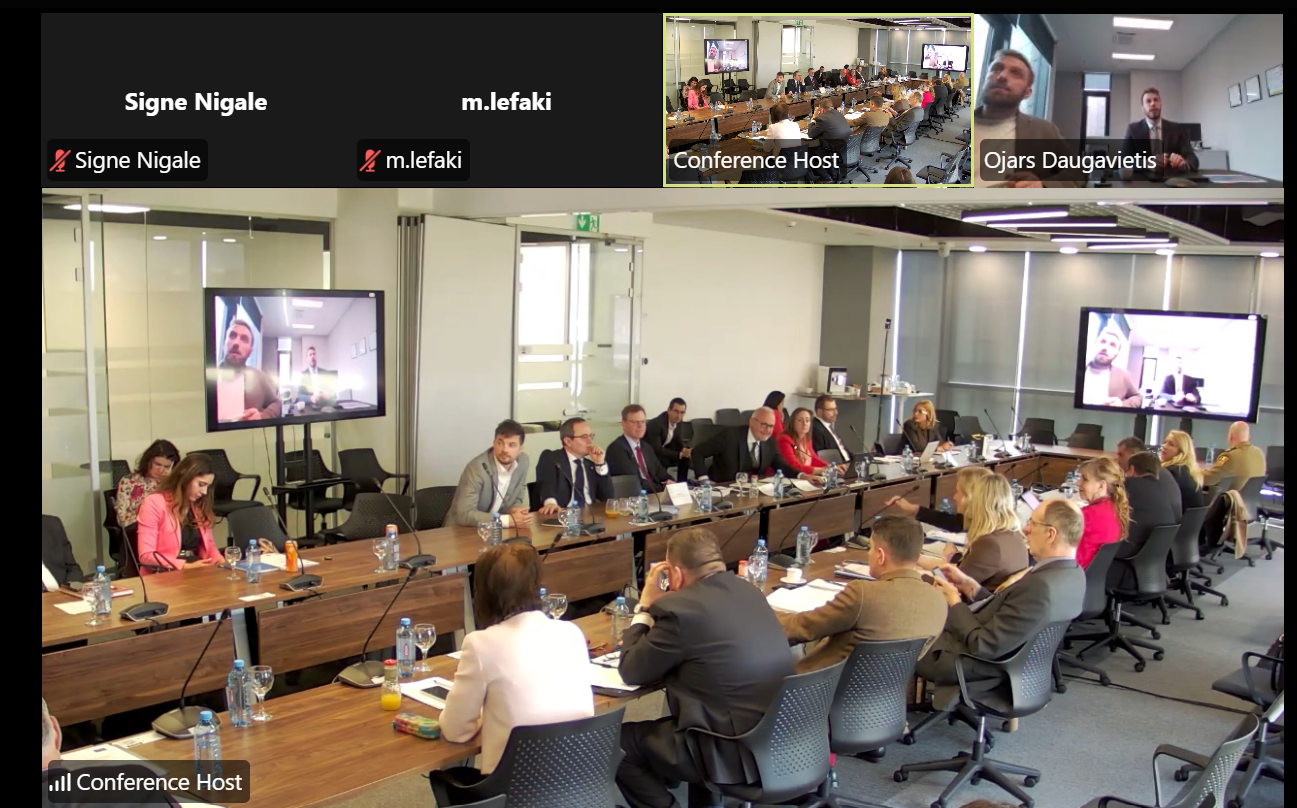
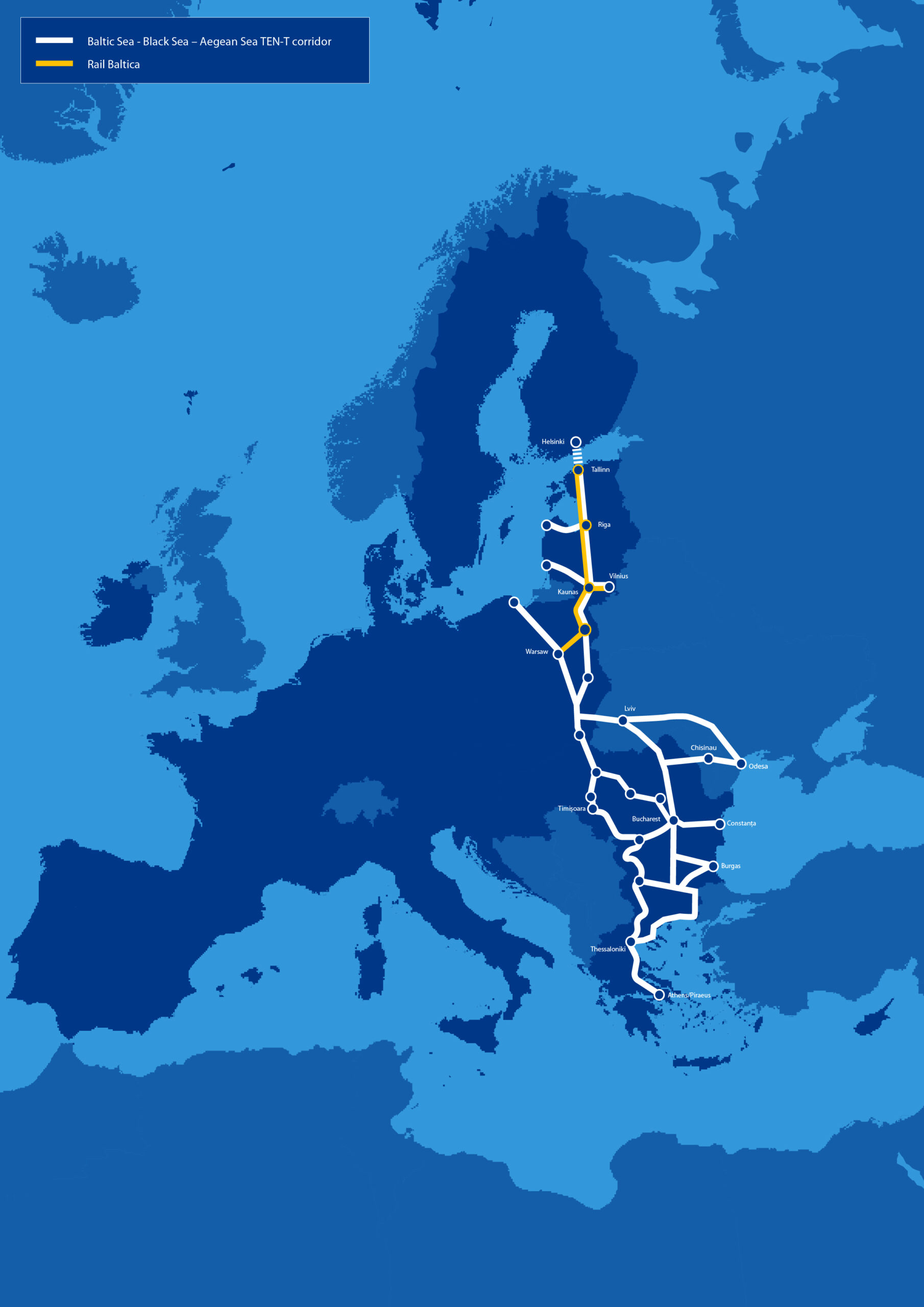
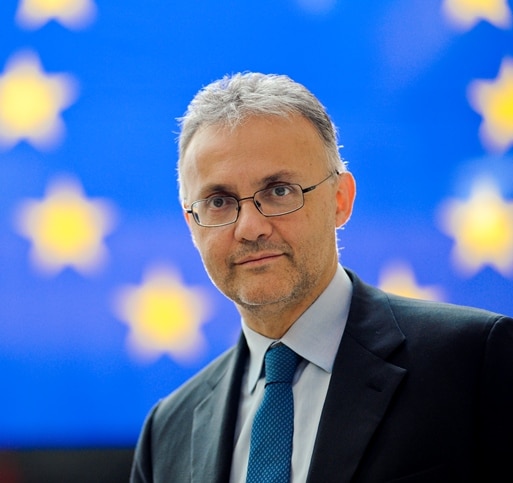
On 17 March, Rail Baltica representatives took part in an exchange with the TEN-T corridor countries of the Baltic Sea – Black Sea – Aegean Sea corridor to present progress and share lessons learned from the implementation of the project. The discussion highlighted that governance remains a key factor for delivering cross-border infrastructure. The exchange was led by Mario Mauro, European Coordinator for the Baltic Sea – Black Sea – Aegean Sea corridor, which connects Northern Europe with the Black Sea and Aegean regions.
Mario Mauro, European Coordinator for the Baltic Sea – Black Sea – Aegean Sea Corridor, said: “The Baltic Sea – Black Sea – Aegean Sea European Transport Corridor shows that the corridor approach is not only about linking nations, people and places by connecting infrastructure, but also about improving its implementation. By bringing together countries from different parts of Europe, it allows them to learn from each other’s experience in planning, governance and delivery. What works on one side of the corridor can help solve challenges on the other. We welcome the valuable experience shared by Rail Baltica, which contributes to stronger and more effective project delivery across the corridor.”
Rail Baltica was presented as a practical example of how cross-border governance can be structured. The project is unique in several respects and requires specialised expertise. Notably, it involves directly four countries and three cross-border connections, whereas most cross-border projects typically involve only two countries. In addition, Rail Baltica is a greenfield project, introducing high-speed rail and advanced European systems and technologies in a region where they have not previously existed.
To manage this complexity, Estonia, Latvia and Lithuania established a joint entity, RB Rail, to coordinate system-level elements such as planning, interoperability and procurement, while national entities are responsible for construction and infrastructure management. This setup has supported alignment across countries but also requires continuous coordination and clear task definition to function effectively.
Marko Kivila, CEO and Chairman of the Management Board at RB Rail: “Centralized planning and quality control are essential, but they must be matched with clear task allocation and realistic assumptions from the outset. Early optimism on cost and timing can support initial momentum, but it creates challenges later if not corrected. Governance also needs to evolve as the project progresses – what works at the beginning is not sufficient during implementation.”
“Experience shows that responsibilities within large-scale infrastructure projects evolve over time, providing important lessons in risk management, quality assurance, and addressing optimism bias in financing assumptions. In this context, robust alternative planning is essential: multiple scenarios should be prepared, particularly for financing the total cost of the project through to completion. Benefit assessments should remain an integral part of decision-making to continuously demonstrate value. As the project progresses, roles and responsibilities should be regularly reviewed and aligned with the implementing organizations to reflect the actual needs and realities of project delivery,” Kivila added.
Additionally, during the session the importance of public support and effective communication was also emphasized. Over extended implementation periods, challenges are inevitable, and these must be proactively communicated, alongside clearly demonstrating the long-term benefits of the project to maintain trust and support.
Finally, the impact of political cycles was highlighted. Projects of this scale inevitably span multiple election cycles, making it essential to establish a solid foundation in terms of scope, budget, and timeline, supported by continuous stakeholder management.