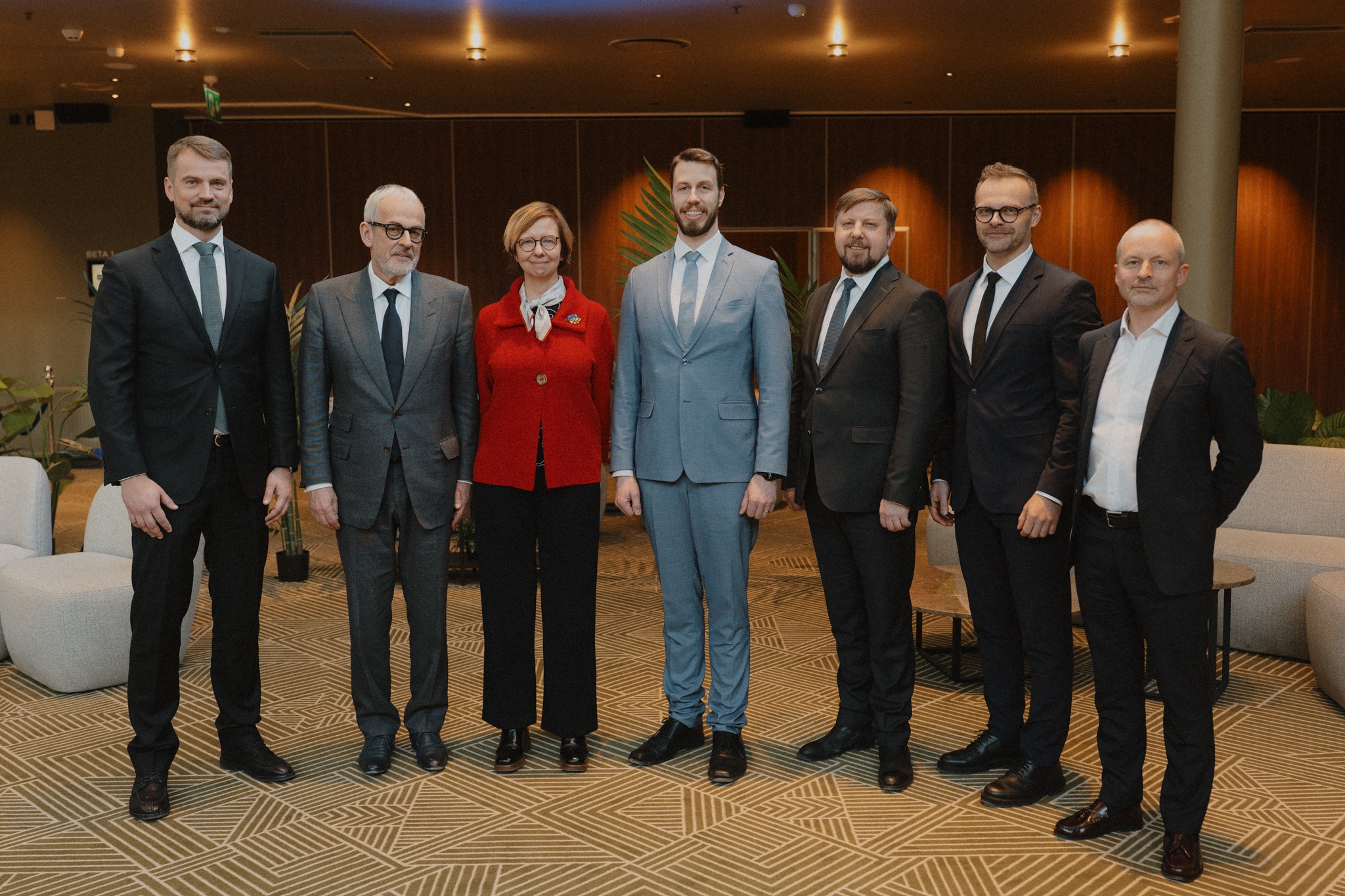
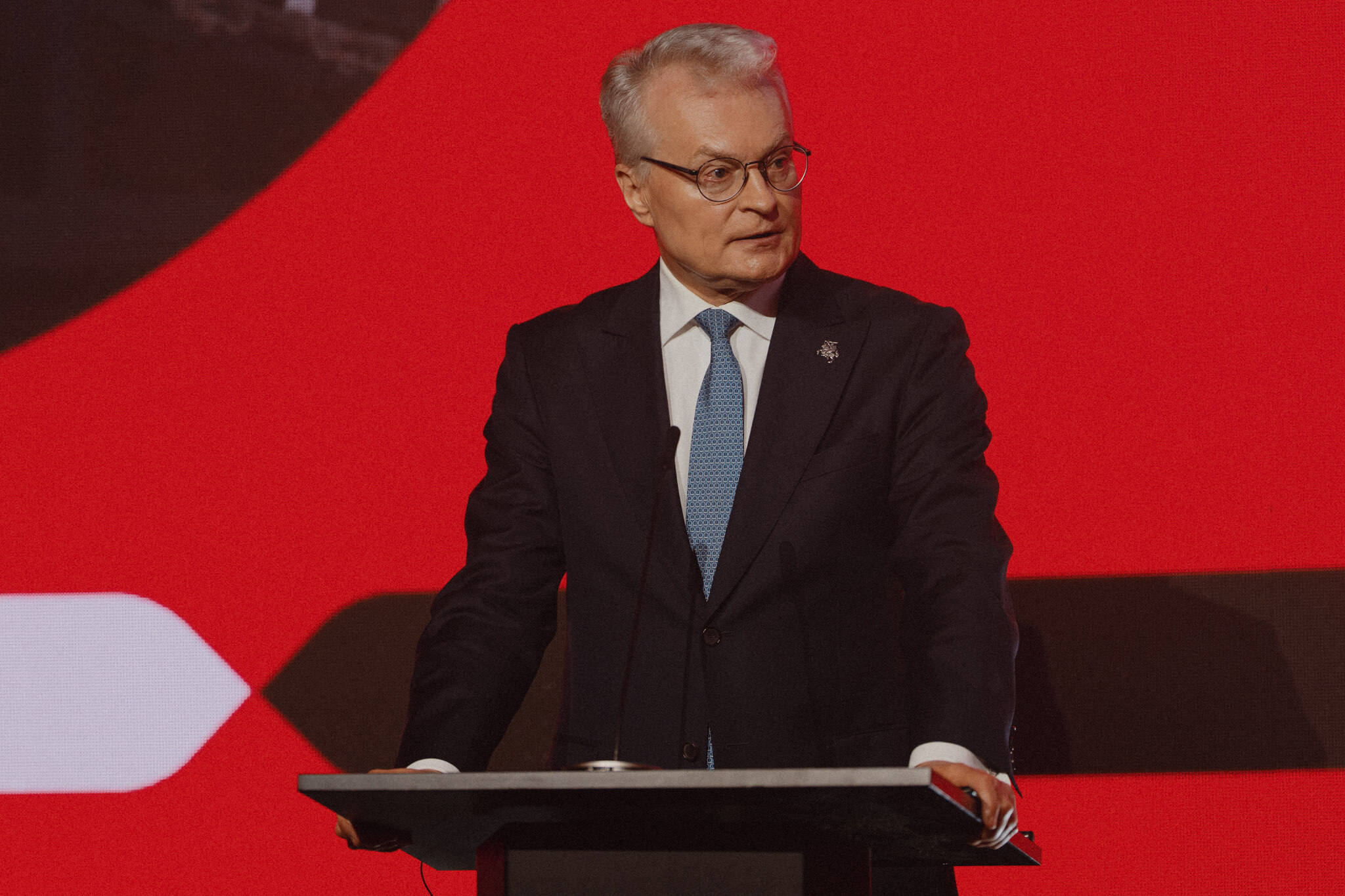
On 17 February 2026, the first high-level forum on military mobility in the Baltic region took place in Vilnius, bringing together ministers, senior officials, military experts, infrastructure leaders, and other high-level representatives from across Europe. The LTG Forum on Military Mobility and Resilience was led by Lietuvos geležinkeliai (LTG) Group in cooperation with the Lithuanian Ministry of Transport and Communications and under the patronage of Gitanas Nausėda, demonstrating the growing strategic importance of resilient, dual-use infrastructure for Europe’s security and defence posture.
The presence of two European Commissioners underscored the political weight of the event and signaled that the European Union is treating the defence of its Eastern flank as a concrete priority. Andrius Kubilius, European Commissioner for Defence and Space, stressed that credible deterrence depends on Europe’s ability to move forces rapidly and effectively across borders, emphasizing that military mobility is not simply a transport matter but a strategic precondition for security. Apostolos Tzitzikostas, European Commissioner for Sustainable Transport and Tourism, highlighted that preparedness requires clear and simplified rules enabling swift cross-border movement of personnel and equipment, particularly along Europe’s Eastern flank.
The forum focused on strengthening rapid military mobility through interconnected rail, road, port, airport, energy, and telecommunications networks which is a shared priority for both the EU and NATO. Discussions addressed policy coordination, funding priorities ahead of the next EU Multiannual Financial Framework, and practical lessons drawn from Ukraine’s wartime experience in infrastructure resilience. Speakers emphasized that reducing uncertainty in infrastructure planning and improving coordination among policymakers, implementing bodies, ministries, and industry are essential to delivering operational results.
Lithuania’s Minister of Transport and Communications, Juras Taminskas, highlighted the strategic role of railway integration, noting that incompatible track systems are not merely technical obstacles but operational and security challenges that hinder rapid deployment and deterrence. He described Rail Baltica as a key strategic project for improving security and enabling rapid troop movement. LTG CEO Egidijus Lazauskas reinforced that embedding military mobility requirements into infrastructure development requires clear communication and practical coordination across sectors.
The discussions in Vilnius confirmed a clear consensus: military mobility is not just a transport issue – it is a strategic foundation of Europe’s credible deterrence and collective defence. As many speakers emphasized, Europe needs defence logistics that function smoothly, reliably, and at speed, particularly along the Eastern flank.
Financial sustainability was also a central theme of the forum. Roberts Zīle, Vice-President of the European Parliament, warned that member states cannot rely solely on EU budget instruments to close infrastructure gaps and ensure mobility at scale. He also stated that as one possibility, also private investment must complement EU funding if strategic objectives are to be met.
Reflecting on the financing aspects discussed at the forum, Marko Kivila, CEO and Chairman of the Board at RB Rail AS, noted: “There is broad agreement that financing military mobility requires a mixture of EU funds, member states budgets and private funding, especially since the funding need is compressed in the next few years. Yes, private investment should complement EU instruments to help close critical infrastructure gaps where practicable. However, we must also be realistic. Private investment is not a silver bullet – it comes with complexity, lengthy procedures, and inevitable timeline shifts. Security threats do not wait for financing structures to catch up. There is a tradeoff we must acknowledge.”
High-level panels examined the decision-making needed to ensure readiness, models of whole-of-society defence preparedness, cooperation across transport modes, links between defence industry development and mobility infrastructure, the real cost of readiness under the next EU budget cycle, and the protection of strategic infrastructure against sabotage and hybrid threats. Participants repeatedly emphasized that operational mobility is the practical test of European solidarity and collective defence.
Kivila also highlighted the importance of dialogue and cooperation, noting the value of exchanges with Magda Kopczyńska, Director-General for Mobility and Transport (DG MOVE), and other senior stakeholders committed to strengthening Europe’s mobility and defence readiness.